How much is the average cost of replacing a windshield?
The average cost of replacing a windshield ranges from $200 to $400 for most vehicles. Luxury cars, trucks, and vehicles with advanced safety features can cost between $500 and $1,500 or more, depending on the make, model, and technology involved.
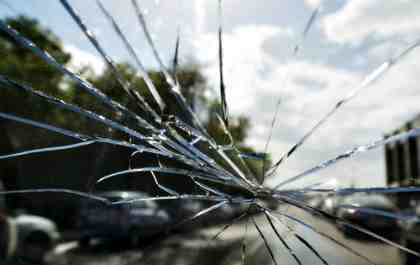
If you’ve discovered a crack or chip in your windshield that’s beyond repair, you’re likely wondering about replacement costs and what factors influence the final price. Understanding these costs upfront helps you budget appropriately and make informed decisions about your vehicle maintenance. The price variation is significant because windshield replacement isn’t a one-size-fits-all service—several important factors determine what you’ll actually pay.
Factors That Affect Windshield Replacement Cost
The wide price range for windshield replacement stems from several key variables that impact the complexity and materials required for your specific vehicle.
Vehicle Make and Model
Your vehicle type is the primary cost determinant. Standard sedans typically fall on the lower end of the price spectrum, with replacement costs averaging $200 to $300. Popular models like Honda Civics, Toyota Corollas, and Ford Focuses usually have readily available windshields, keeping costs down.
Luxury vehicles tell a different story. Mercedes-Benz, BMW, Audi, and Lexus windshields often cost $800 to $1,500 because they require specialized glass and precise installation. Sports cars and exotic vehicles can exceed $2,000 due to unique glass shapes and limited availability.
Advanced Technology Features
Modern vehicles equipped with Advanced Driver Assistance Systems (ADAS) significantly increase replacement costs. These features include:
- Lane departure warning systems
- Automatic emergency braking
- Adaptive cruise control
- Rain-sensing wipers
- Head-up displays (HUD)
Windshields with ADAS technology require recalibration after replacement, adding $200 to $400 to your total cost. This recalibration ensures all sensors function correctly and maintain your vehicle’s safety features.
Glass Quality and Type
You’ll typically choose between Original Equipment Manufacturer (OEM) glass or aftermarket alternatives. OEM glass matches your vehicle’s original specifications exactly and costs 20-30% more than aftermarket options. However, OEM glass guarantees proper fit and maintains your vehicle’s resale value.
Aftermarket glass, while more affordable, varies in quality. Choosing a reputable brand ensures adequate safety standards and proper fitting, but cheaper options may result in wind noise, leaks, or distortion.
Insurance Coverage for Windshield Replacement
Your insurance policy can significantly reduce your out-of-pocket expenses for windshield replacement. Most comprehensive auto insurance policies cover glass damage, but coverage details vary.
Many states, including Florida, Kentucky, and South Carolina, have zero-deductible laws for windshield replacement. If you live in these states and carry comprehensive coverage, you’ll pay nothing for replacement.
In other states, you’ll typically pay your comprehensive deductible, which ranges from $100 to $1,000. Some insurance companies offer full glass coverage endorsements that waive deductibles specifically for windshield damage. This add-on costs roughly $20 to $50 annually and proves worthwhile if you frequently drive on highways or in construction zones.
Before filing a claim, compare your deductible to the replacement cost. If your deductible is $500 and replacement costs $350, paying out-of-pocket prevents a claim on your record that could affect future premiums.
Ways to Reduce Windshield Replacement Costs
Several strategies can help minimize your windshield replacement expenses without compromising safety or quality.
Get multiple quotes. Prices vary significantly between providers. Contact at least three auto glass shops and compare their estimates, glass quality, and warranties. Mobile services often charge premium rates for convenience, while shop-based replacements typically cost less.
Consider timing. Some auto glass companies offer seasonal promotions or discounts during slower business periods. Ask about current specials or military, senior, or AAA member discounts.
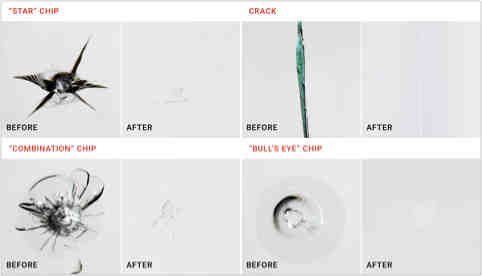
Address damage immediately. Small chips under the size of a quarter often cost just $50 to $100 to repair. Delaying allows cracks to spread, necessitating full replacement. Temperature changes, road vibrations, and stress on the glass cause small damage to expand rapidly.
Verify warranty coverage. Some windshields come with lifetime warranties against defects, leaks, or installation issues. Quality shops stand behind their work and offer warranties ranging from one year to lifetime coverage.
Conclusion
Windshield replacement costs vary widely based on your vehicle type, technology features, and glass quality, but most drivers pay between $200 and $400 for standard vehicles. Understanding these factors helps you budget appropriately and make informed decisions about repairs versus replacement. Check your insurance coverage first, as comprehensive policies often cover glass damage with minimal or no deductible. Don’t delay necessary windshield replacement—driving with compromised glass endangers you and your passengers. Contact a reputable auto glass specialist today for a detailed quote specific to your vehicle and explore your insurance coverage options to minimize costs.