The average cost of replacing a windshield ranges from $200 to $500 for most vehicles. Luxury cars and vehicles with advanced driver assistance systems (ADAS) can cost $500 to $1,500 or more. The final price depends on your vehicle’s make and model, glass type, and whether additional calibration is needed.
Replacing a cracked or damaged windshield is one of those unexpected expenses that catches many drivers off guard. While you might be tempted to delay the repair, driving with a compromised windshield poses serious safety risks and can lead to more expensive problems down the road. Understanding the cost factors involved helps you budget appropriately and make informed decisions about your vehicle’s maintenance needs.
What Factors Affect Windshield Replacement Costs?
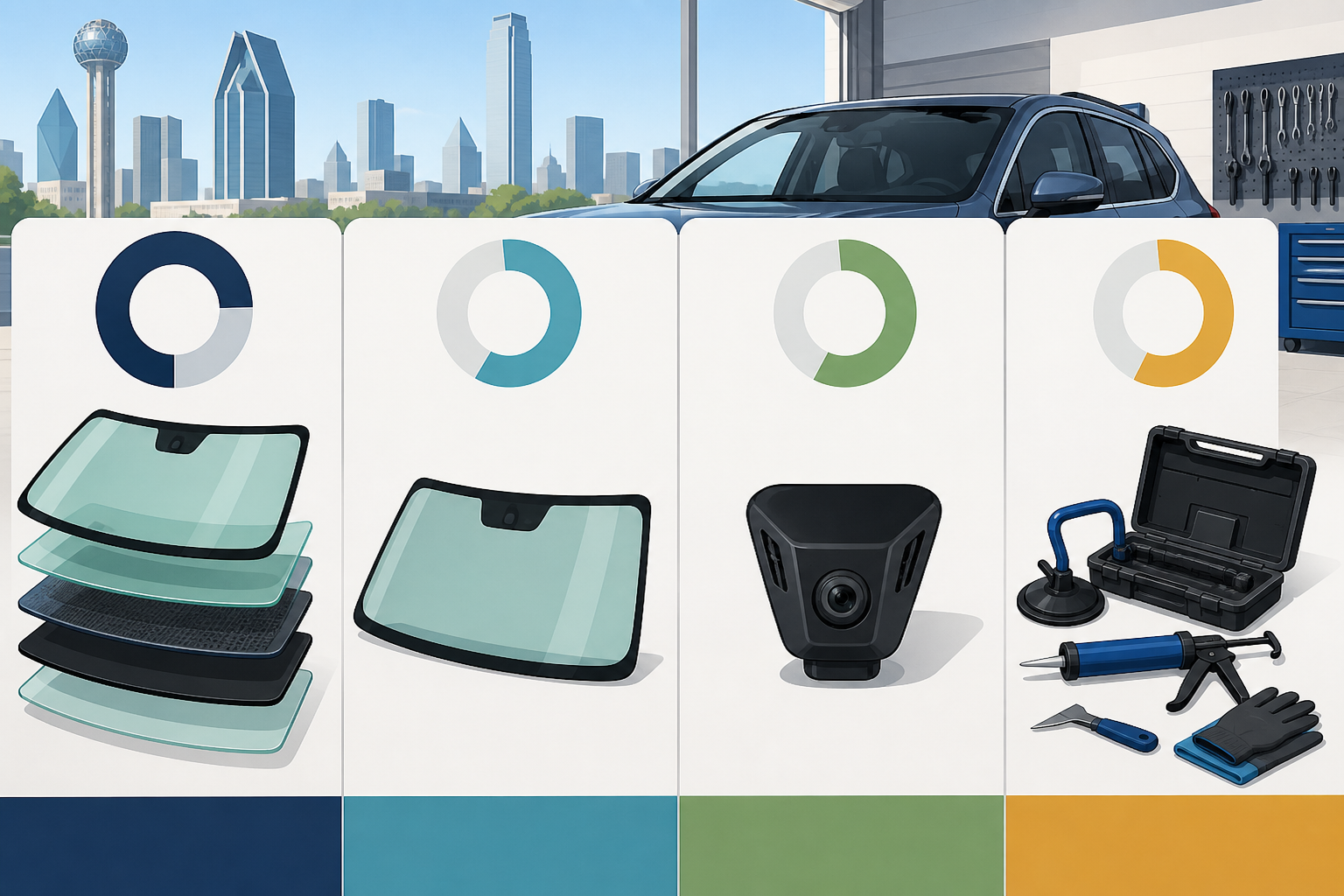
Several key factors influence how much you’ll pay for a new windshield. The most significant cost driver is your vehicle’s make and model. A standard windshield for a common sedan like a Honda Civic or Toyota Camry typically falls on the lower end of the price spectrum, usually between $200 and $350. However, if you drive a luxury vehicle, SUV, or truck with specialized features, expect to pay considerably more.
Glass type plays a crucial role in pricing. Original Equipment Manufacturer (OEM) glass, which comes directly from your vehicle’s manufacturer, costs more than aftermarket alternatives but guarantees an exact fit and quality match. Aftermarket glass can save you 25-30% on the replacement cost while still meeting safety standards, though some insurance companies may have preferences about which type you use.
Advanced technology features significantly impact replacement costs. Many modern vehicles include rain sensors, heads-up displays, lane departure warnings, or heated windshields. These features require specialized glass and often professional calibration after installation. ADAS-equipped vehicles may need recalibration costing an additional $100 to $300, which is essential for your safety systems to function properly.
Labor costs vary by location and service provider. Mobile Windshield Replacement services that come to your home or workplace may charge slightly more for convenience, but they save you time and transportation hassles. Geographic location matters too—metropolitan areas typically have higher labor rates than rural regions, with services in cities often charging premium prices.
Insurance Coverage and Out-of-Pocket Expenses
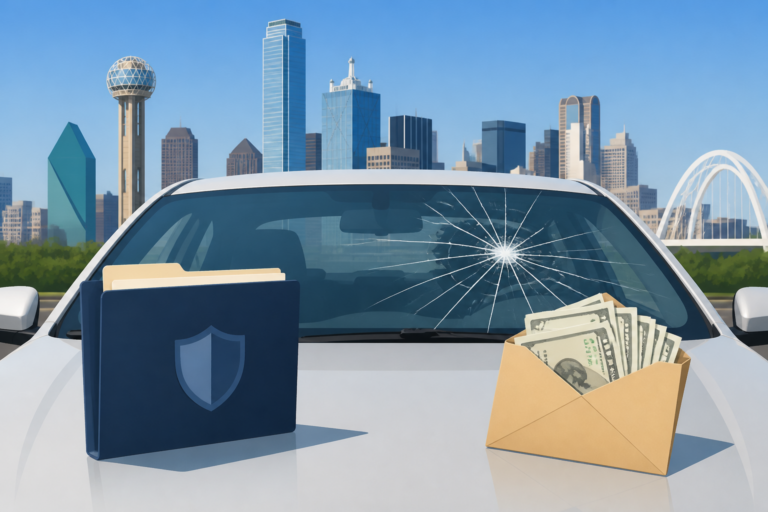
Your insurance policy can dramatically reduce your out-of-pocket windshield replacement costs. Comprehensive coverage typically includes glass damage, though whether you’ll pay depends on your deductible and state laws. Some states, including Florida, Kentucky, and South Carolina, have “zero deductible” laws for windshield claims, meaning your insurance covers the full replacement cost.
If your comprehensive deductible is $500 and your windshield replacement costs $300, you’ll pay the entire amount yourself. However, if the replacement costs $600, you’d only pay your $500 deductible. Many insurance companies won’t raise your rates for a single glass claim since it’s typically considered a no-fault incident.
For those paying out-of-pocket or with high deductibles, shopping around makes financial sense. Prices can vary significantly between providers. If you’re located in the Dallas-Fort Worth area, comparing quotes from multiple shops offering Windshield Replacement Dallas services can help you find competitive pricing without sacrificing quality.
Some auto glass shops offer payment plans or financing options for expensive replacements, particularly for luxury vehicles or those requiring extensive calibration work. Don’t hesitate to ask about available discounts for seniors, military members, or AAA members, as these can reduce your total cost by 10-15%.
How to Save Money on Windshield Replacement
While you shouldn’t compromise on safety, several strategies can help reduce replacement costs. First, check your insurance policy’s glass coverage before getting quotes. Even if you have a deductible, filing a claim might still be worthwhile for expensive replacements exceeding $500.
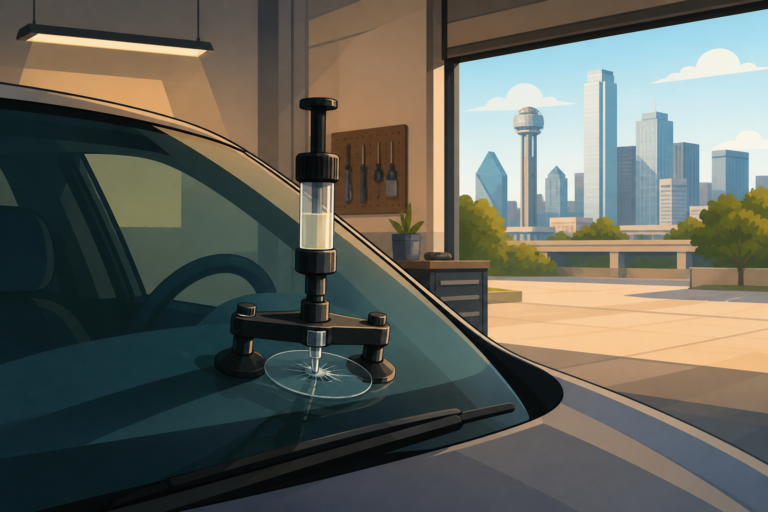
Consider aftermarket glass if your vehicle doesn’t have advanced features requiring OEM specifications. Reputable aftermarket manufacturers produce quality glass that meets Department of Transportation (DOT) standards at significantly lower prices. Ask your installer about warranty coverage on both parts and labor—most quality shops offer lifetime warranties on their work.
Timing matters when replacing your windshield. Some shops offer seasonal promotions or discounts during slower business periods. Additionally, addressing damage quickly prevents small chips from spreading into cracks that require full replacement, potentially saving you hundreds of dollars.
Get multiple quotes from certified installers in your area. While price matters, also consider the shop’s reputation, warranty offerings, and installer certifications. The cheapest option isn’t always the best value if it results in leaks, wind noise, or improper installation that compromises your vehicle’s structural integrity.
Making the Right Choice for Your Vehicle
Windshield replacement costs vary considerably, but understanding the factors that influence pricing helps you make informed decisions. Whether you’re paying $250 for a basic sedan windshield or $1,200 for a luxury vehicle with advanced safety features, prioritizing quality installation ensures your safety and protects your investment.
Don’t delay addressing windshield damage—what starts as a small chip can quickly become a costly full replacement. Contact certified auto glass professionals in your area for accurate quotes based on your specific vehicle and needs. A properly installed windshield provides structural support, protects you in accidents, and ensures your vehicle’s safety systems function as designed.