Why Dallas Drivers Keep Reading Windshield Cost Guides Before Choosing a Low Price Auto Glass Company

Why Dallas Drivers Keep Reading Windshield Cost Guides Before Choosing a Low Price Auto Glass Company
There is a pattern playing out every day across the Dallas–Fort Worth metroplex. A driver spots a crack in their windshield, pulls out their phone, and instead of immediately calling the first auto glass shop that pops up in a search, they spend the next twenty or thirty minutes reading a cost guide. They want to understand pricing before they ever speak to a technician. This behavior is not accidental, and it is not unique to one type of driver. It is happening with commuters in Plano, delivery drivers in Oak Cliff, parents in Frisco, and rideshare operators in Downtown Dallas. The question worth exploring is simple: why?

The answer reveals a lot about how modern consumers approach service decisions — especially ones that feel technical, pricing-variable, and easy to get wrong.
The Dallas Auto Glass Market Is Crowded and Confusing
Dallas is not a small market. There are dozens of auto glass companies operating across the metro area, ranging from national chains to independent one-truck operations. Prices for the same windshield replacement on the same vehicle model can vary by hundreds of dollars depending on which shop you call. That kind of spread is unsettling to most people, and understandably so.
When a service category has wide pricing variation, consumers instinctively look for anchors — pieces of information that help them establish what a fair price actually looks like. Cost guides serve exactly that purpose. They give drivers a framework before entering a conversation with a vendor, which changes the entire dynamic of that conversation in the customer’s favor.
People Want to Know What They Are Paying For
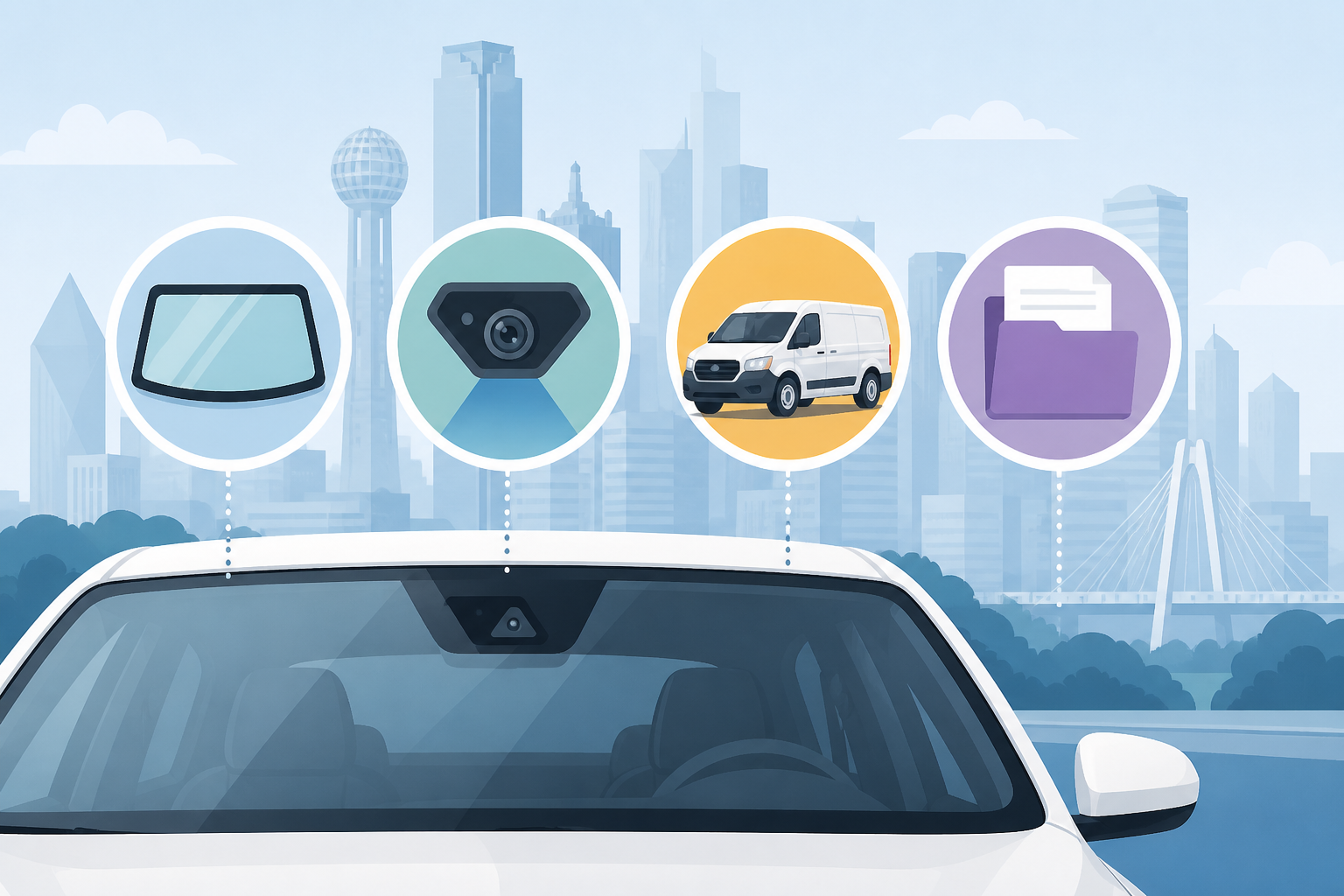
Windshield replacement sounds straightforward until you realize how many variables affect the final price. Dallas drivers who do their research before calling a shop quickly learn that the cost is influenced by:
- The year, make, and model of their vehicle
- Whether their windshield has advanced driver assistance system (ADAS) sensors or cameras embedded in the glass
- Whether the job requires recalibration of those sensors after installation
- The brand and quality tier of the replacement glass (OEM vs. aftermarket)
- Whether their insurance covers the replacement or requires a deductible
- The shop’s labor rates and mobile service fees
Before reading a detailed guide, most drivers have no idea that sensor recalibration alone can add a significant cost to what seems like a basic glass swap. When they discover this through a cost guide, they feel better prepared. They know what questions to ask. They are less likely to be caught off guard by a quote that includes line items they do not recognize.
Trust Has to Be Earned Before a Phone Call Is Made
This is perhaps the most psychologically interesting part of the behavior. When a Dallas driver reads a Dallas windshield cost guide, they are not just collecting data points about pricing. They are also evaluating the source of that information. A guide that is honest, detailed, and written without excessive sales pressure signals that the company behind it is transparent and trustworthy.
That perception of trustworthiness translates directly into purchase behavior. Drivers are significantly more likely to call the shop that educated them than the shop that just advertised at them. Content that genuinely helps people builds a pre-call relationship, and that relationship has real commercial value.
The Fear of Getting Ripped Off Is Real
Auto glass is a service category with a long history of consumer complaints. Fly-by-night operations, substandard glass, improper installation, and insurance fraud schemes have all made headlines over the years. Dallas drivers are aware of this history, even if only vaguely. Reading a cost guide is partly about price research and partly about self-protection. Educated consumers are harder to exploit, and they know it.
By understanding what a job should cost and why, a driver can immediately recognize when a quote seems suspiciously low (which might indicate cut-rate glass or incomplete work) or suspiciously high (which might indicate unnecessary upsells). The cost guide effectively turns an ordinary consumer into an informed buyer.
Insurance Confusion Drives Research Behavior
A major reason Dallas drivers research windshield costs before calling a shop is confusion about insurance coverage. Texas is a state where comprehensive auto insurance typically covers glass damage, but the specifics depend heavily on the individual policy, the deductible amount, and whether the driver has a separate glass rider.
Many drivers genuinely do not know if their windshield replacement will be free, partially covered, or fully out of pocket until they do some reading. Cost guides that explain the insurance landscape — including how to check your coverage, what zero-deductible glass coverage means, and how to work with your insurer — are enormously useful. This practical value keeps people reading and builds confidence in the company providing the information.
The Mobile Service Question Adds Another Layer
Dallas traffic is notoriously difficult, and many drivers prefer mobile windshield replacement rather than driving to a shop. But does mobile service cost more? Is the quality the same? Are there neighborhoods or zip codes where mobile service is or is not available? These are questions that a thorough cost guide addresses, and they are the kind of questions that cannot be quickly answered by a basic ad or a phone call with a sales-focused representative.
Comparing Shops Requires a Common Standard
When a driver calls three or four auto glass companies to get quotes, those quotes often come back in different formats. One company quotes by the job. Another breaks out parts and labor separately. A third includes recalibration while a fourth prices it separately. Without a cost guide to serve as a reference point, comparing these quotes is nearly impossible.
Cost guides help drivers standardize their comparison process. They know what to ask for on every call, so all the quotes end up in a format that makes side-by-side comparison actually meaningful. This is one of the most practical reasons the guides continue to attract readers in a market as competitive as Dallas.
The Search Intent Behind These Guides Is Specific and High-Value
From a search engine optimization perspective, it is worth noting that drivers who search for windshield cost guides in Dallas are typically close to making a decision. They are not casually browsing. They have a problem — a cracked or broken windshield — and they are in the process of solving it. The content that serves them well at this stage earns not just traffic but genuine conversions.
This is why companies that invest in creating genuinely useful, well-researched cost content tend to outperform competitors who rely entirely on paid advertising or basic service listings. The guide becomes a discovery mechanism, a trust-builder, and a conversion tool all at once.
What This Means If You Are a Dallas Driver Right Now
If you are dealing with a cracked or damaged windshield in the Dallas area, the instinct to do some reading before calling a shop is a good one. Understanding what your vehicle requires, what a reasonable price range looks like, and how your insurance policy might apply will save you time, money, and stress. The few minutes you spend reading a credible cost guide could easily be the difference between a smooth, fairly priced experience and one you regret.
Look for guides that explain pricing without being vague, discuss the role of ADAS recalibration honestly, and walk you through the insurance process clearly. Those are the signs of a company that respects your intelligence and your time.
Final Thoughts
The habit Dallas drivers have developed of reading windshield cost guides before choosing an auto glass company is not just savvy consumer behavior — it is a rational response to a complicated market with real pricing variation and a genuine risk of poor quality work. The guides that serve these drivers best are the ones that prioritize information over sales pitch, and the companies behind those guides tend to earn the business as a natural result.
In a city where everyone is busy and trust is hard to earn, the auto glass company that takes the time to genuinely educate its prospective customers has a meaningful advantage. And the driver who takes twenty minutes to get informed before making a call is almost always better off for it.
Need help in Dallas? See our windshield replacement and chip repair, or contact Faith Low Price Auto Glass.